Cookie Policy : This message will only be displayed once.

To function correctly this website uses cookies. To accept cookies simply continue browsing. Or click here to view our cookie policy.

Bringing Intelligence to Identity Solutions


Hand Recognition

Hand geometry as the name suggests uses the shape of the hand to verify the person. Unlike iris, face or fingerprints, the human hand isn't unique. The existing systems use finger length, thickness, and curvature for the purposes of verification but not for identification. Hand geometry is very reliable when combined with other forms of identification, such as personal identification numbers. In large populations, hand geometry is not suitable for so-called one-to-many applications, in which a user is identified from their biometric without any other identification.

Hand geometry data is relatively easier to collect compared to other technologies e.g. for fingerprint collection good frictional skin is required by imaging systems, and with retina-based recognition systems, special lighting is necessary.

Hand Geometry Solutions

HRS has a long history and association with the technology and offers various biometric and identity solutions based around hand recognition. HRS has successfully implemented Hand Geometry based solutions across hundreds of sites both inside and outside UK. Most noticeably our team of engineers were responsible for developing and delivering one of the largest hand reader based access control and workforce management solutions in the aviation sector for a major Asian airline and in the UK construction sector - http://news.bbc.co.uk/1/hi/england/london/8310137.stm.

How does Hand Recognition work?

Hand recognition geometry as the name suggests uses the shape of the hand to identify/verify the person. Unlike iris, face or fingerprints, the human hand isn't unique. The existing systems use finger length, thickness and curvature for the purposes of verification but not for identification.

Hand recognition geometry is very reliable when combined with other forms of identification, such as personal identification numbers. Hand recognition geometry data is relatively easier to collect compared to other technologies e.g. for fingerprint collection good frictional skin is required by imaging systems.

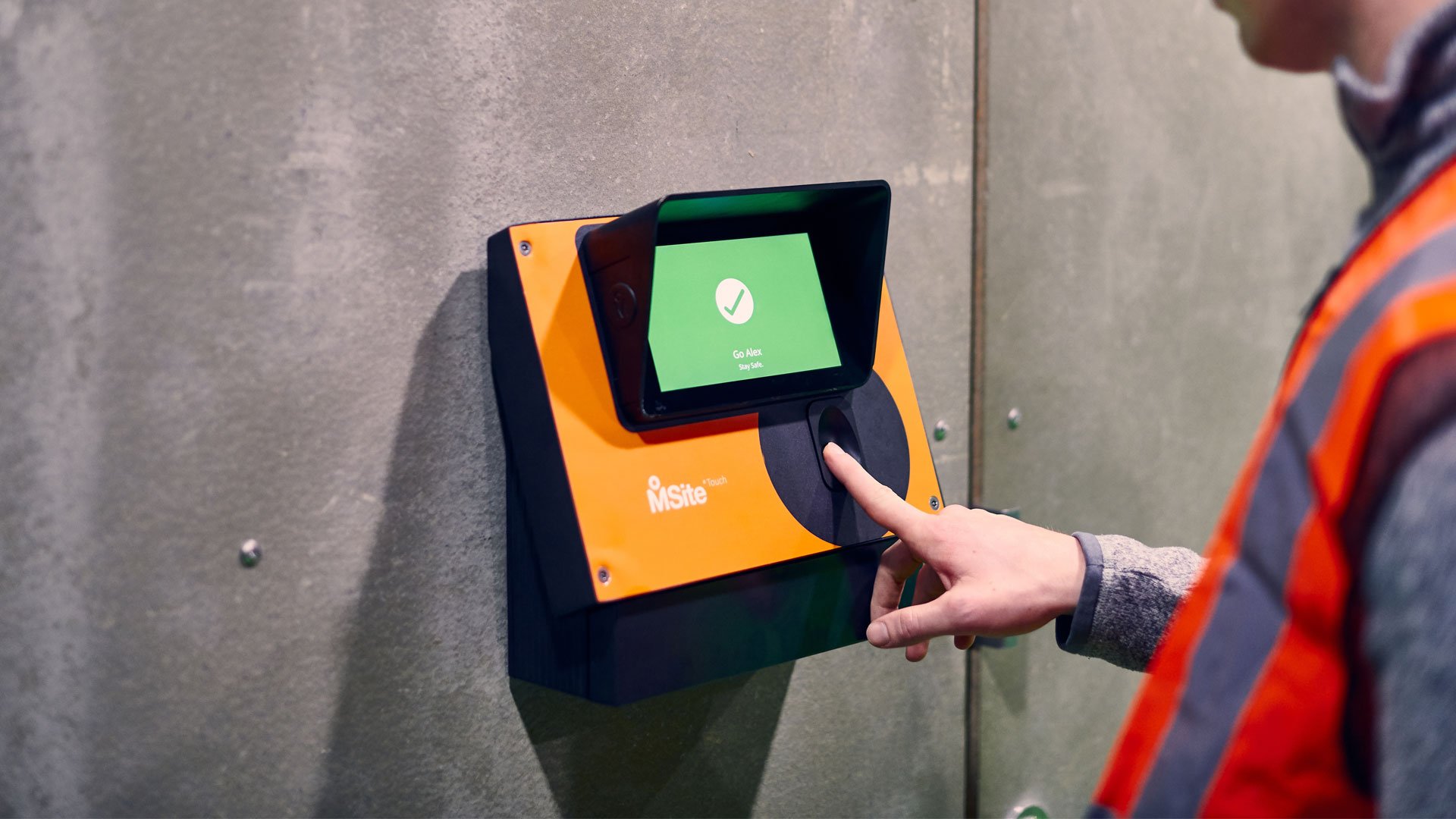
Additionally, hand recognition geometry can be easily combined with other biometrics, namely fingerprinting. The system has seen good uptake in the construction industry where workers are clocked using hand readers.

Current Applications of Hand Recognition

Recent applications of hand recognition geometry systems include:

  • Used during 1996 Olympic Games where access to and from the Olympic Village was controlled using hand recognition geometry.
  • San Francisco International Airport uses hand recognition geometry to restrict access to critical areas.
  • Child day care centres use hand recognition geometry systems to verify the identity of parents.
  • Use of hand recognition geometry systems to monitor payroll accuracy and access control.
  • The Fastgate (INSPASS) pilot program employs hand recognition geometry systems to track border crossings for frequent travellers.
  • United States military has been using hand recognition geometry for access control.
  • Majority of the nuclear power plants in the US use hand recognition geometry for access control

Advantages of using Hand Recognition Geometry

  • A very small template size, easy to maintain and store large database.
  • High reliability and accuracy.
  • Robust, user friendly and easy to integrate into existing and third party systems.
  • Ideal for rough outdoor environments like construction industry and can handle high throughput of people.
  • Relatively inexpensive offers excellent return on investment


(c) 2013 HRS Ltd.