

Biometric Access Control for Construction Sites
MSite not only saves you precious time and reduces paper waste but also caters to your reporting needs with sharp insights, helping you make well-informed decisions every step of the way.
Be Safe. Be Productive. Be One.



Driving social value
Our automated reporting provides detailed analytics on workforce diversity, training, safety, environmental sustainability and community engagement, streamlining compliance and demonstrating a positive impact.

Raising Site Standards
Guarantee workforce transparency on-site to increase competence, compliance and productivity.

Removing modern slavery
Ensure worker transparency and accountability through identity and skills verification, and real-time monitoring.

Optimising delivery
Remove duplication, and automate data collection and reporting to modernise traditional processes throughout the project lifecycle.

Reducing risk & errors
Have your workforce arrive pre-enrolled, inducted and credentialed to increase compliance and efficiency. Access the data gathered on-site, from attendance to briefings, anytime and anywhere.

Saving money
Obtain actionable insights on workforce attendance and activity, and reduce manual tasks and administration, enhancing efficiency in project management.
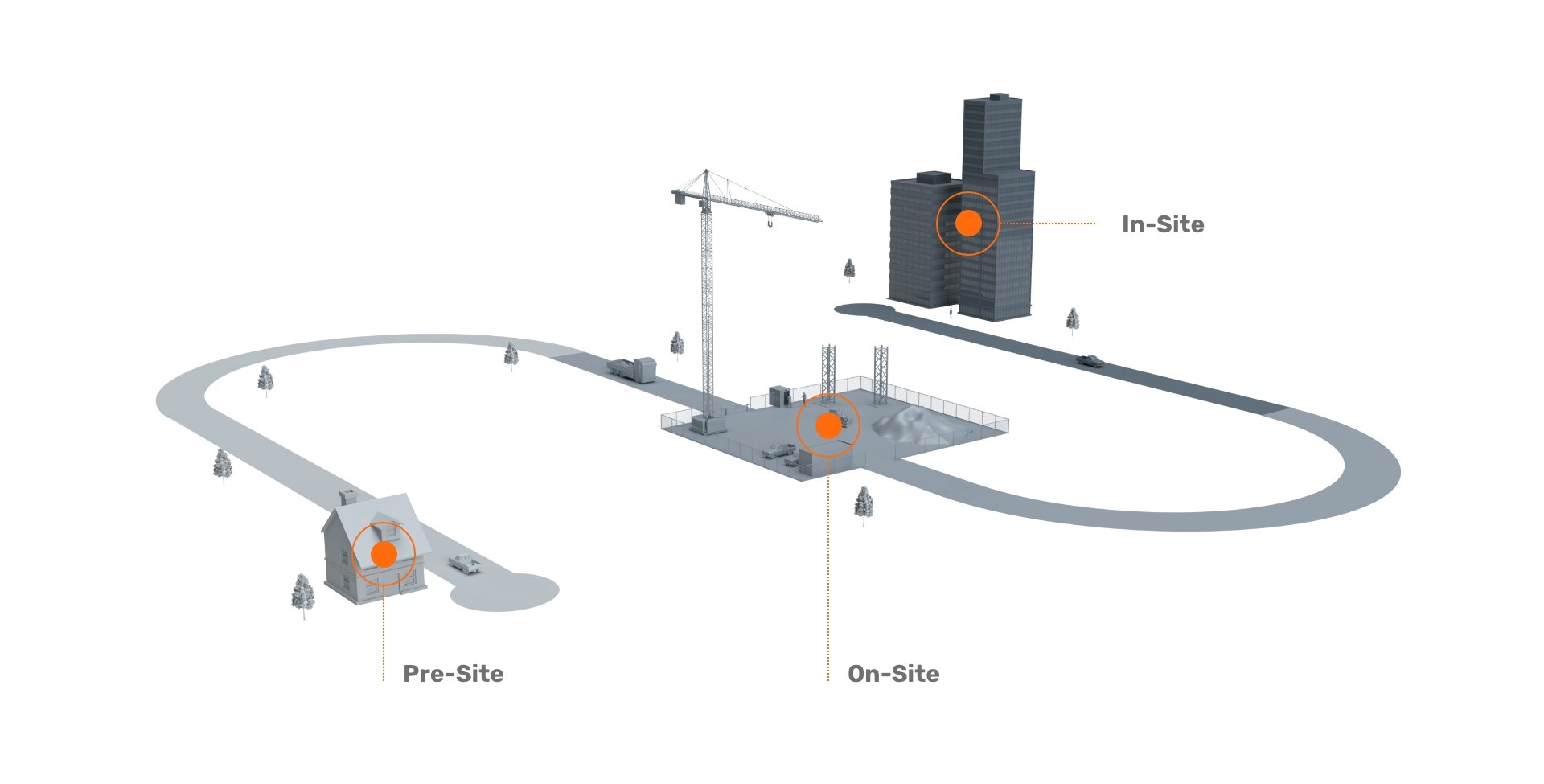

Pre-Site
Automate time-intensive administrative tasks, ensuring your workforce arrives on site verified, accredited, inducted and ready to work.


In-Site
Increase data-driven decision making through powerful insights and analytics, empowering project transparency and success.

Project Manager
Get detailed, real-time insights into workforce attendance, safety compliance and productivity levels on site, helping to achieve timely project completion.

Health & Safety
Implement a standardised, digital process for health and safety reporting to reduce inefficient pen and paper approaches, providing accurate and accessible data on incidents.

Quantity Surveyor
Ensure project profitability and efficient resource usage through access to data on labour and materials used on construction sites.

Supply Chain
Attain full visibility of the supply chain, to ensure everyone is fully authorised, properly accredited and demonstrates the requisite competence.

Operations
Meet project objectives and maintain high performance standards by optimising processes and reducing risk through comprehensive visibility of site operations, workforce efficiency and compliance adherence.

Social Value
Gain detailed insights into workforce demographics, local employment rates, skill development initiatives and community engagement activities. Demonstrating your project's positive impact on the local community and economy.

Transformation
Access detailed insights on digital tool adoption and workflow efficiences, to identify areas for digital optimisation and new solutions that will increase project success.

Procurement
Report on the CO2 emissions of your materials on site by integrating with supply chain management systems to track and analyse the carbon footprint of materials from procurement through to usage, facilitating more sustainable sourcing and usage practices.






















Vinci
Vinci utilise MSite Online Inductions alongside MSite Access Control on their M6 Motorway Service Station Project

Morgan Sindall
Morgan Sindall leverages MSite Pre-registration and Online Inductions to save 9,400 hours during completion of the Spine.

Galliford Try
Galliford Try leverage the MSite Workforce App to respond to challenges posed by COVID-19